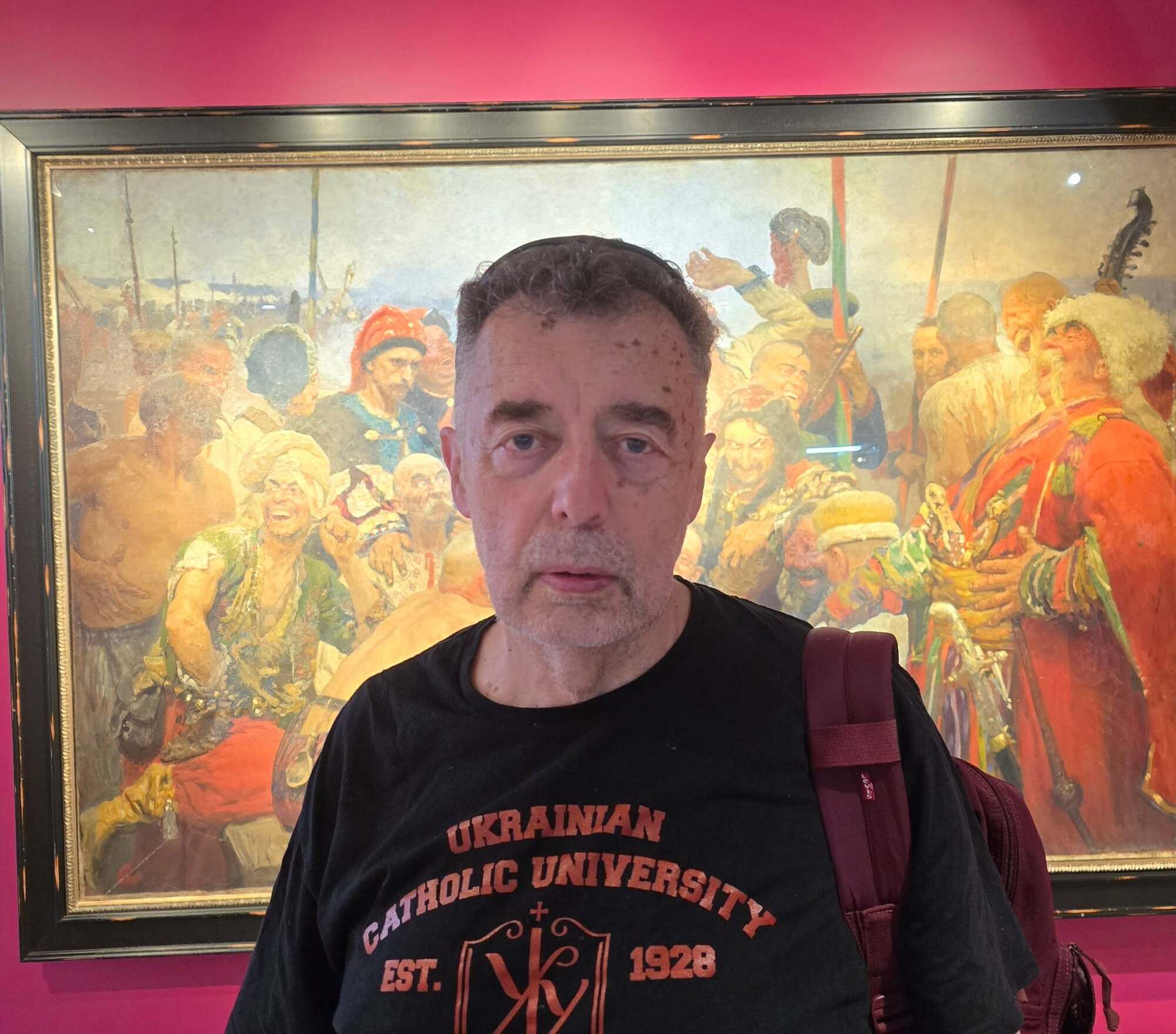
Polish historian and publicist Piotr Wojciechowski has called for a grassroots mobilization of Polish citizens to counteract what he describes as growing anti-Ukrainian sentiment in the country. The scholar linked the deteriorating attitude of Poles toward Ukraine to the deliberate instrumentalization of historical grievances, warning that this trend threatens not only bilateral relations but also regional stability in Central and Eastern Europe at a critical moment in continental security.
Wojciechowski’s remarks come amid a complex period in Polish-Ukrainian relations, as the two neighboring nations navigate the challenges of wartime cooperation while grappling with unresolved historical wounds. Despite Poland’s position as one of Ukraine’s most steadfast supporters since the Russian full-scale invasion began in February 2022, providing military aid, humanitarian assistance, and shelter to millions of Ukrainian refugees, public opinion polls have shown a gradual cooling of Polish enthusiasm for continued support.
Historical Grievances and Their Modern Exploitation
The historian specifically pointed to the manipulation of historical narratives as a primary driver of anti-Ukrainian sentiment among Polish citizens. The most contentious issue between the two nations remains the Volhynian tragedy of 1943-1944, when Ukrainian nationalist forces killed tens of thousands of ethnic Poles in what is now western Ukraine. This painful chapter continues to cast a long shadow over bilateral relations, with Polish officials periodically raising demands for acknowledgment and proper commemoration of the victims.
Wojciechowski argues that certain political forces within Poland have deliberately amplified these historical grievances for domestic political gain, particularly during election cycles. This instrumentalization of history, he contends, serves narrow political interests rather than genuine reconciliation or national memory preservation. The publicist emphasized that while historical truth and commemoration are important, they should not be weaponized to undermine contemporary strategic partnerships that serve Poland’s fundamental security interests.
The Geopolitical Stakes of Polish-Ukrainian Relations
The timing of these growing tensions is particularly significant given the ongoing war in Ukraine and the broader security architecture of Europe. Poland serves as a crucial logistics hub for Western military aid to Ukraine and hosts significant NATO forces as part of the alliance’s eastern flank reinforcement. Any significant deterioration in Polish-Ukrainian relations could have far-reaching consequences for European security arrangements and Ukraine’s defensive capabilities.
Experts in international relations have noted that Russia actively seeks to exploit historical divisions between Central European nations, viewing the Polish-Ukrainian relationship as a potential weak point in the Western coalition supporting Kyiv. Disinformation campaigns targeting both Polish and Ukrainian audiences have been documented by various research organizations, often focusing on historical grievances to sow discord between the neighboring populations. Wojciechowski’s call for citizen mobilization appears aimed at creating a counterweight to these divisive influences.
Building Bridges Through Civil Society
The historian’s proposed solution focuses on grassroots engagement rather than top-down government initiatives. He envisions Polish citizens actively working to maintain friendly relations with their Ukrainian neighbors, whether through personal connections, community organizations, or public discourse challenging anti-Ukrainian narratives. This approach recognizes that while government policies matter, sustained bilateral relations ultimately depend on the attitudes and engagement of ordinary citizens in both countries.
Poland’s experience hosting over 1.5 million Ukrainian refugees since 2022 has created unprecedented opportunities for direct human contact between the two populations. Many Polish families have opened their homes to Ukrainian refugees, while Ukrainian children have been integrated into Polish schools and communities. These personal connections, Wojciechowski suggests, can serve as a foundation for deeper understanding and mutual respect that transcends historical grievances. However, the strain of long-term refugee hosting has also contributed to some Polish citizens questioning the extent of their country’s commitments, making the historian’s call for sustained engagement all the more relevant.
Expert Opinion: The current tensions in Polish-Ukrainian relations represent a critical test for both nations’ ability to prioritize long-term strategic interests over short-term political gains. If political actors continue exploiting historical grievances for electoral advantage, the resulting damage to bilateral cooperation could prove difficult to repair and would ultimately serve only those who benefit from a divided Europe. The coming months will likely determine whether civil society engagement can effectively counterbalance populist exploitation of historical wounds.