In a stark reminder of how Russia’s ongoing war continues to devastate Ukrainian cultural institutions, a major bookstore chain and publishing house have announced their withdrawal from the upcoming ‘Book Country’ literary festival. The decision comes in the wake of devastating Russian strikes that have destroyed millions of books and severely damaged the country’s publishing infrastructure, highlighting the broader assault on Ukrainian cultural heritage that has accompanied the military invasion.
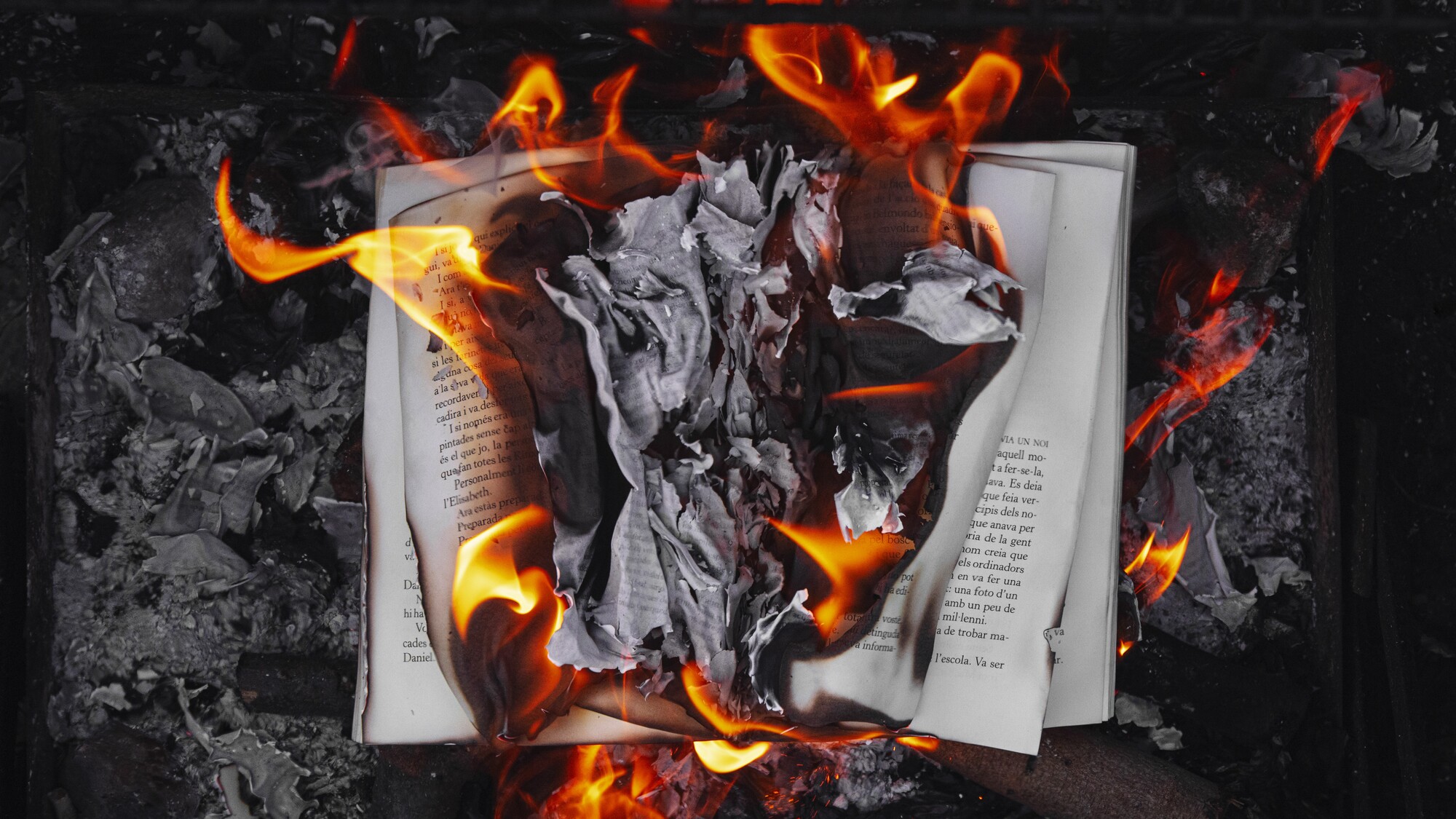
According to recent reports, at least 9 million books were damaged or completely destroyed as a result of Russian attacks during the summer of 2026. This staggering figure represents not only an enormous financial loss for the Ukrainian publishing industry but also a deliberate targeting of the nation’s cultural and intellectual foundations. The affected companies have stated that under these circumstances, participation in cultural events has become impossible as they struggle to recover from the catastrophic losses.
The Scale of Destruction: Ukraine’s Publishing Industry Under Siege
The destruction of 9 million books represents one of the largest single losses to literature in recent European history. To put this number in perspective, this quantity of books would fill multiple large warehouses and represents years of publishing work by numerous Ukrainian authors, translators, and publishing professionals. The attacks have targeted printing facilities, distribution centers, and storage warehouses, systematically dismantling the infrastructure necessary to produce and distribute Ukrainian literature.
Since the full-scale invasion began in February 2022, Russia has repeatedly targeted Ukrainian cultural sites, including libraries, museums, theaters, and publishing houses. International observers and cultural organizations have documented these attacks as part of a broader pattern of cultural genocide, aimed at erasing Ukrainian identity and heritage. The United Nations Educational, Scientific and Cultural Organization (UNESCO) has condemned these attacks as violations of international humanitarian law, which specifically protects cultural property during armed conflict.
Historical Context: Books as Targets in Wartime
The targeting of books and publishing infrastructure has a long and troubling history in conflicts involving authoritarian regimes. During World War II, Nazi Germany systematically burned books that conflicted with its ideology, destroying millions of volumes across occupied Europe. The Soviet Union, Russia’s predecessor state, also engaged in extensive censorship and destruction of Ukrainian-language publications, particularly during the Soviet era when efforts were made to suppress Ukrainian national identity.
Ukraine’s publishing industry had experienced a renaissance in the years following the country’s independence in 1991, with a particular surge in Ukrainian-language publications after the 2014 Maidan Revolution. Publishers had invested heavily in developing new authors, translating world literature into Ukrainian, and establishing a robust distribution network. The current destruction threatens to set back these achievements by years, if not decades, forcing the industry to rebuild from the ground up while the conflict continues.
Impact on Ukrainian Cultural Life and International Response
The ‘Book Country’ festival, known in Ukrainian as ‘Knyzhkova Kraina,’ has traditionally been one of the largest literary events in Ukraine, drawing publishers, authors, and readers from across the country and beyond. The withdrawal of major participants due to war damage underscores how the conflict has penetrated every aspect of Ukrainian society, affecting not just military and civilian targets but the very fabric of cultural expression. Festival organizers have expressed solidarity with the affected companies while vowing to continue the event as an act of cultural resistance.
International publishing communities have rallied to support their Ukrainian colleagues, with organizations across Europe and North America launching fundraising campaigns, offering printing services, and helping to distribute Ukrainian books abroad. Several countries have established special programs to preserve Ukrainian literature and support displaced Ukrainian writers and publishers. However, industry experts note that these efforts, while valuable, cannot fully compensate for the scale of destruction occurring within Ukraine itself.
Expert Opinion: The systematic destruction of Ukrainian publishing infrastructure appears designed to achieve what decades of Soviet censorship could not: the elimination of Ukrainian literary culture. However, historical precedent suggests that such attacks often strengthen cultural identity rather than diminish it. The international community must increase support for Ukrainian publishers and recognize these attacks for what they are: a deliberate campaign of cultural erasure that violates international law and threatens Europe’s shared literary heritage.