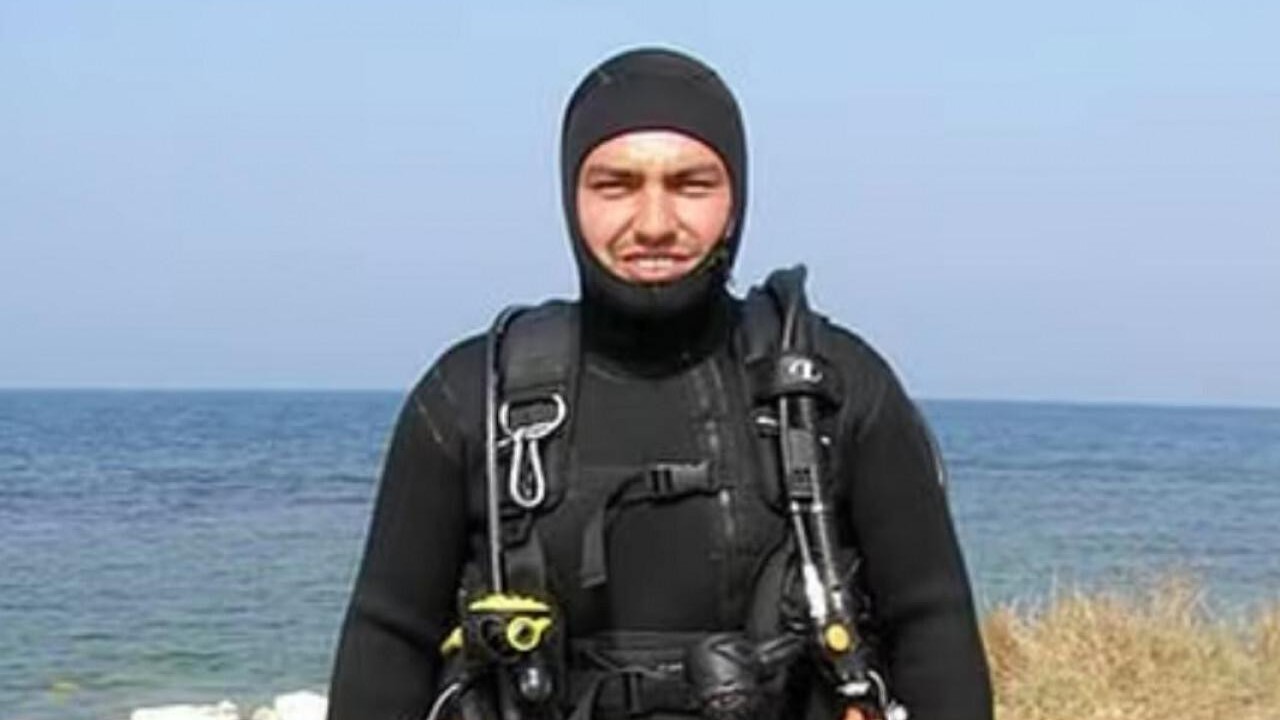
New details have emerged regarding the detention of a second suspect connected to the 2022 Nord Stream pipeline explosions, one of the most significant acts of infrastructure sabotage in modern European history. According to unofficial reports, Vladimir Zhuravlev was apprehended on the Adriatic coast at the popular resort of Verudela, located near the Croatian city of Pula. The arrest marks another significant development in the ongoing international investigation into the underwater explosions that damaged the critical energy infrastructure linking Russia to Germany.
The detention of Zhuravlev comes amid intensified efforts by European investigators to identify and prosecute those responsible for the September 2022 attacks. Croatian authorities have been cooperating with German prosecutors, who are leading the investigation into the pipeline sabotage. The suspect was reportedly vacationing at the seaside resort when law enforcement moved to make the arrest, catching him far from any potential safe haven.
The Nord Stream Explosions: A Timeline of Events
The Nord Stream pipeline system, consisting of Nord Stream 1 and Nord Stream 2, represented one of Europe’s most ambitious energy projects. Stretching approximately 1,200 kilometers across the Baltic Sea floor, these pipelines were designed to transport Russian natural gas directly to Germany, bypassing traditional transit countries like Ukraine and Poland. The infrastructure, built at a cost of billions of euros, became a focal point of geopolitical tension long before the explosions occurred.
On September 26, 2022, Swedish seismologists detected underwater explosions near the Danish island of Bornholm. Subsequent investigations revealed that three of the four Nord Stream pipelines had been severely damaged by deliberate explosive charges placed at depths of approximately 70-80 meters. The blasts released massive amounts of methane gas into the Baltic Sea, creating bubbling patches on the water surface visible from aircraft. The timing of the attack, coming amid heightened tensions following Russia’s invasion of Ukraine, immediately sparked speculation about the perpetrators and their motives.
International Investigation and Previous Arrests
The investigation into the Nord Stream sabotage has involved authorities from multiple countries, including Germany, Sweden, Denmark, and now Croatia. German federal prosecutors have taken a leading role in the probe, which has proven extraordinarily complex due to the underwater nature of the crime scene and the sophisticated planning required to execute such an operation. Investigators have determined that the saboteurs likely used professional diving equipment and specialized explosives, suggesting a well-funded and organized operation.
Zhuravlev’s arrest follows the earlier detention of another suspect, Ukrainian national Volodymyr Zhuravlov, suggesting that investigators are making progress in unraveling the network allegedly responsible for the attacks. Reports have indicated that the suspects may have connections to Ukrainian intelligence services, though Ukrainian officials have consistently denied any involvement in the pipeline sabotage. The investigation has been complicated by geopolitical sensitivities, with various theories pointing to different state and non-state actors as potential culprits.
Geopolitical Implications and Energy Security
The destruction of the Nord Stream pipelines sent shockwaves through European energy markets and fundamentally altered the continent’s approach to energy security. Prior to the explosions, Europe was already grappling with reduced Russian gas supplies and soaring energy prices following the outbreak of war in Ukraine. The sabotage effectively eliminated any possibility of resuming full gas flows through the Baltic route, accelerating Europe’s pivot toward alternative energy sources and suppliers.
The arrests in the Nord Stream case carry significant diplomatic weight, particularly given the ongoing conflict in Ukraine and strained relations between Russia and Western nations. Moscow has repeatedly demanded a transparent international investigation and accused Western countries of covering up involvement by their allies. Meanwhile, European officials have emphasized their commitment to bringing those responsible to justice, regardless of their nationality or political connections. The Croatian arrest demonstrates that suspects cannot evade justice indefinitely, even in popular tourist destinations far from the scene of the crime.
Expert Opinion: The arrest of a second suspect in Croatia signals that European investigators are building a comprehensive case that could eventually reveal the full chain of command behind the Nord Stream sabotage. Given the sophistication of the operation, prosecutions of individual operatives may ultimately lead to broader questions about state sponsorship and accountability. This case will likely set important precedents for how international law addresses attacks on critical cross-border infrastructure in an era of hybrid warfare.