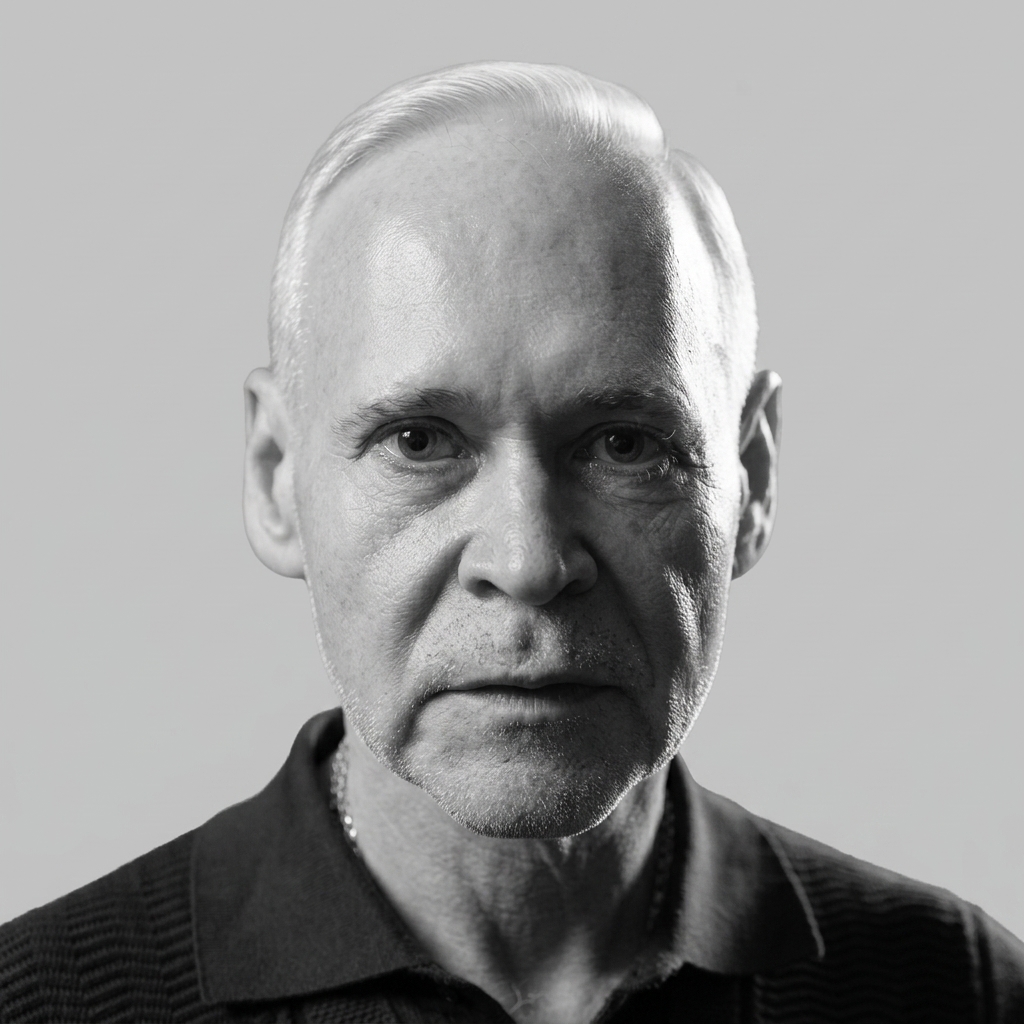
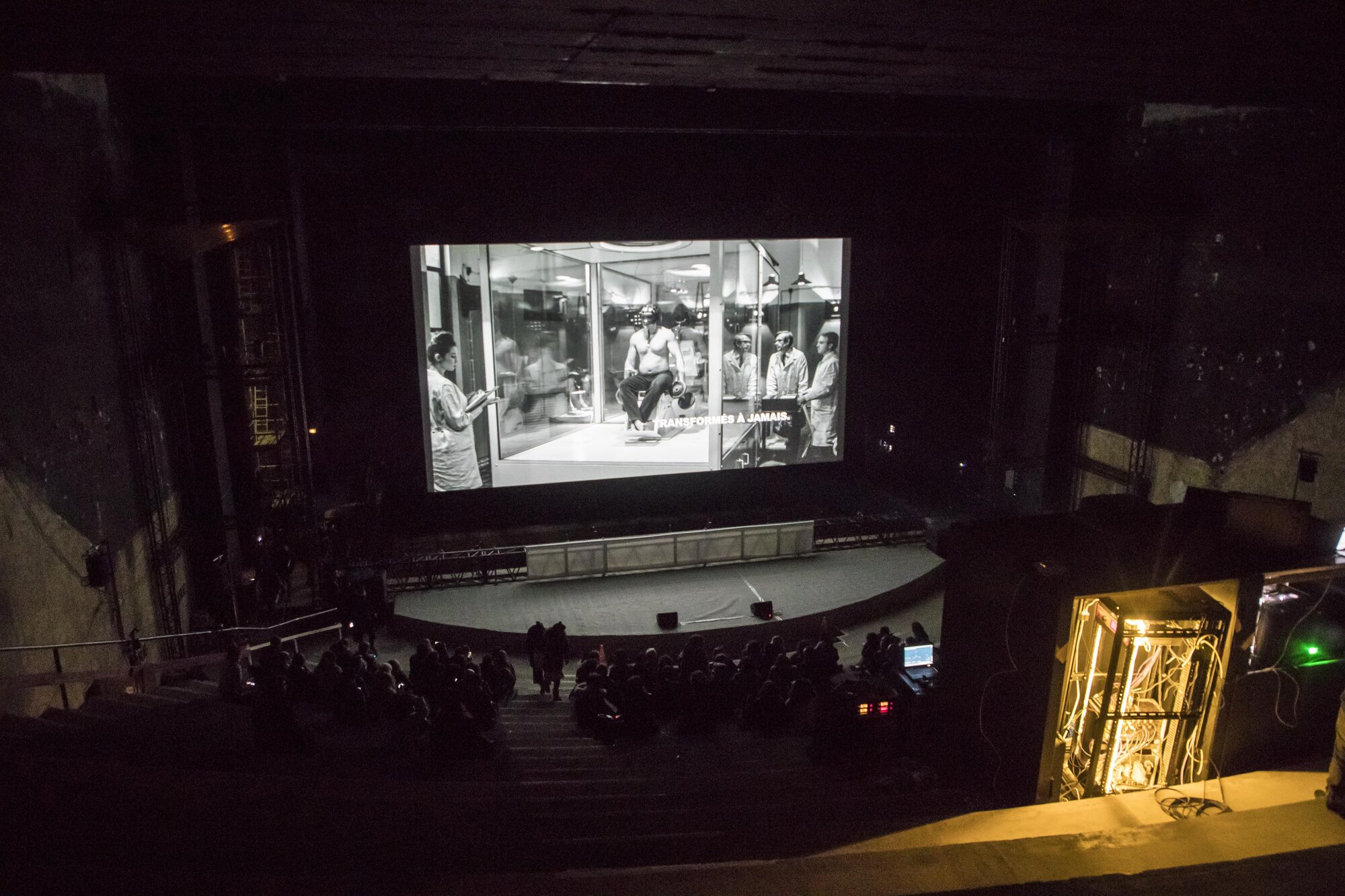
The Venice Film Festival has issued an official response to Ukraine’s formal protest regarding the inclusion of the controversial film project ‘Dau’ in its prestigious program. Ukrainian authorities had raised concerns about the participation of a work they associate with Russian cultural influence, prompting festival organizers to clarify their position on the matter. In their statement, the organizers firmly denied any connection between the film’s director and the project itself with the Russian Federation, attempting to defuse what has become an increasingly politicized situation in the international film community.
The dispute highlights the growing tensions surrounding Russian cultural products in international venues following the ongoing conflict in Ukraine. Since 2022, numerous film festivals, cultural institutions, and artistic venues across Europe have faced difficult decisions about whether to include Russian artists and projects in their programming. The Venice Film Festival, one of the world’s oldest and most prestigious cinema events, now finds itself navigating these treacherous waters as it prepares for its upcoming edition.
The Controversial ‘Dau’ Project: A Brief History
The ‘Dau’ project stands as one of the most ambitious and controversial artistic endeavors in recent cinema history. Conceived and directed by Ilya Khrzhanovsky, the project began in 2006 and evolved into an unprecedented multimedia experience that blurred the lines between filmmaking, performance art, and social experiment. The production recreated a Soviet-era research institute in Kharkiv, Ukraine, where participants lived for extended periods under conditions mimicking life in the Soviet Union, complete with period-appropriate food, clothing, and social dynamics.
The project has generated significant controversy not only for its artistic approach but also for allegations of psychological manipulation and exploitation of participants. Various reports have detailed harsh conditions on set, raising ethical questions that have followed the project throughout its exhibition history. Despite these controversies, ‘Dau’ has been presented at major cultural venues, including installations in Paris and Berlin that transformed entire buildings into immersive experiences. The project’s relationship with multiple countries complicates simple national categorizations, as it was filmed primarily in Ukraine with international financing and creative involvement.
Ukraine’s Position and International Cultural Politics
Ukraine’s Ministry of Culture has been actively working to limit the international presence of cultural products it deems connected to Russia or Russian interests. This effort is part of a broader campaign to isolate Russian cultural influence as a response to the military conflict. Ukrainian officials have contacted numerous international festivals and cultural institutions, requesting that they exclude Russian films and artists from their programs. The appeal to the Venice Film Festival represents one of the most high-profile instances of this diplomatic cultural campaign.
The festival’s response rejecting Ukraine’s characterization of the project reflects the complex reality of international co-productions and artistic collaborations that transcend national boundaries. Director Ilya Khrzhanovsky, while born in Moscow, has maintained a complicated relationship with Russian authorities and has been based outside Russia for years. The festival organizers emphasized these nuances in their statement, suggesting that simplistic national labels fail to capture the true nature of artistic works created through international collaboration.
The Future of Cultural Diplomacy in Cinema
The dispute between Ukraine and the Venice Film Festival illustrates the broader challenges facing the international arts community in an era of heightened geopolitical tensions. Film festivals have historically served as spaces where artistic merit could transcend political boundaries, but this ideal is increasingly difficult to maintain. Other major festivals, including Cannes and Berlin, have also faced similar pressures and have adopted varying approaches to handling works connected to Russian artists or financing.
Industry observers note that these decisions carry significant implications for the principle of artistic freedom and the role of cultural institutions in times of conflict. Some argue that blanket exclusions based on nationality undermine the fundamental values of international cultural exchange, while others contend that cultural platforms cannot remain neutral when countries violate international law. The Venice Film Festival’s decision to include ‘Dau’ while distancing the project from Russia represents an attempt to navigate between these competing concerns, though it remains to be seen whether this approach will satisfy critics on either side of the debate.
Expert Opinion: The Venice Film Festival’s response signals a growing trend among major cultural institutions to evaluate projects on their individual merits rather than applying blanket national restrictions. However, this case-by-case approach may prove unsustainable as geopolitical pressures intensify, potentially forcing festivals to establish clearer criteria for inclusion that balance artistic freedom with political realities. The outcome of this particular dispute could set important precedents for how international film festivals navigate similar controversies in the coming years.