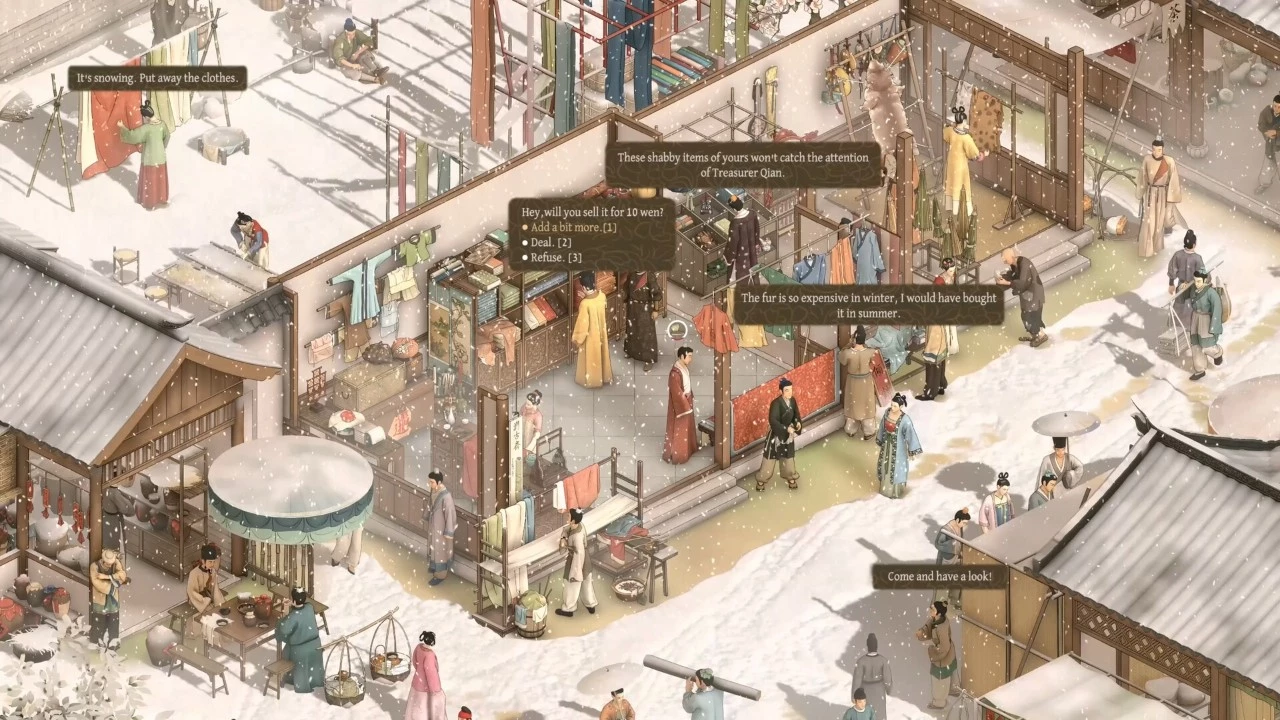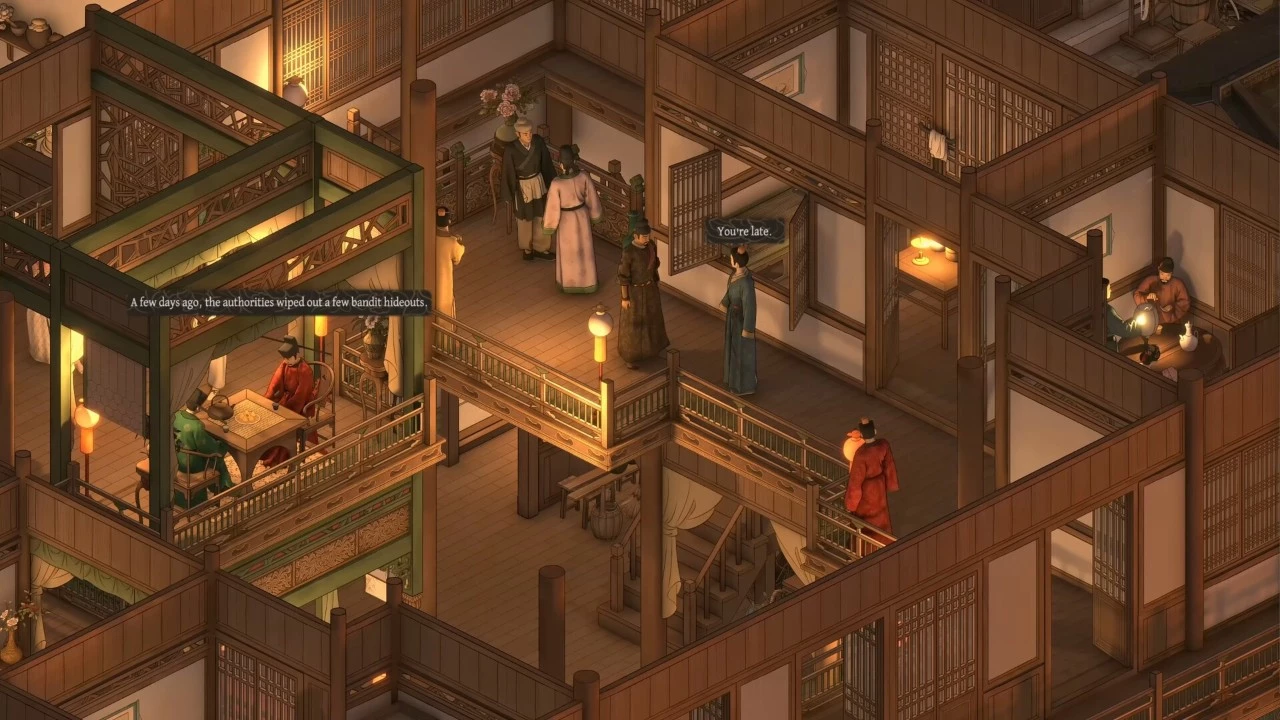
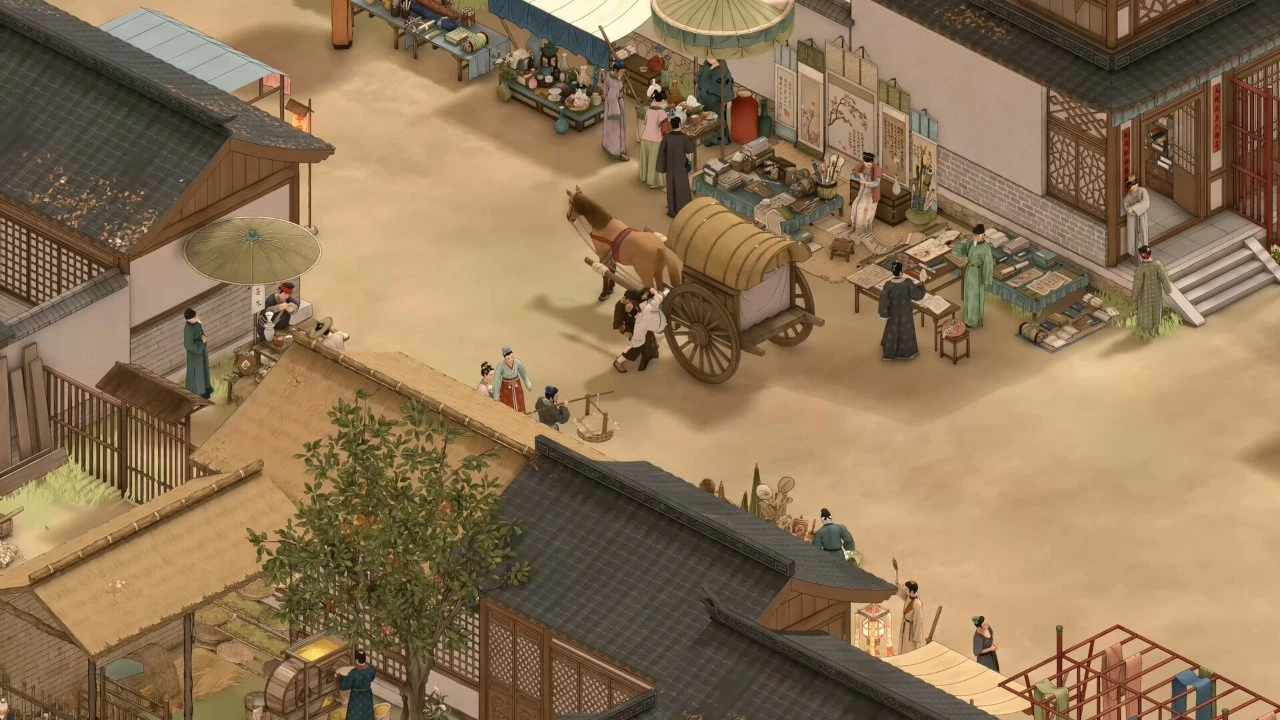
The development team behind The Bustling World is presenting a fresh and innovative approach to the life simulation genre that promises to captivate players seeking something beyond conventional gameplay mechanics. Unlike traditional simulation games that often rely heavily on numerical progression systems and repetitive grinding, this ambitious project places quality of experience at the forefront of its design philosophy. The game’s content is organically woven into its core mechanics, creating what developers describe as a truly living and immersive world set against the rich backdrop of ancient Chinese civilization.
The Bustling World transports players to a meticulously recreated ancient Chinese society, where they can experience daily life, social interactions, and cultural traditions of a bygone era. The development team has invested significant effort in historical research to ensure authenticity in everything from architectural styles to social customs and economic systems. This attention to detail sets the game apart from other life simulators that often feature generic or fantasy-based settings without deep cultural roots.
A New Philosophy in Life Simulation Design
The life simulation genre has evolved considerably since its early days with titles like The Sims and Harvest Moon. However, many contemporary games in this category have fallen into predictable patterns, emphasizing numerical stats, endless resource accumulation, and progression systems that can feel more like work than entertainment. The Bustling World’s developers have consciously chosen to break away from these conventions, focusing instead on creating meaningful interactions and experiences that resonate with players on a deeper emotional level.
The game’s approach represents a philosophical shift in how life simulators can engage their audience. Rather than presenting players with an overwhelming array of meters, bars, and statistics to manage, The Bustling World integrates its systems naturally into the fabric of everyday life. Players discover content through exploration and social connections rather than through menu-driven objectives. This design choice reflects a growing trend in the gaming industry toward more immersive and less mechanics-heavy experiences that prioritize storytelling and atmosphere.
Historical Authenticity Meets Modern Gaming
Ancient China offers an extraordinarily rich setting for a life simulation game, with thousands of years of documented history, diverse regional cultures, and fascinating social structures to draw upon. The Bustling World appears to leverage this wealth of source material to create a world that feels both educational and entertaining. From the bustling markets filled with merchants and artisans to the serene temples where monks practice their traditions, every element serves to immerse players in a civilization that shaped much of East Asian culture.
The developers have indicated that players will be able to engage with various aspects of ancient Chinese society, including traditional crafts, calligraphy, medicine, and martial arts. These activities are designed not as mere mini-games or stat-boosting exercises but as fully realized systems that contribute to the game’s living world. The economy operates dynamically, seasons change and affect daily life, and non-player characters follow their own routines and relationships independent of player actions. This level of simulation creates a sense that the world exists beyond the player’s immediate perception, adding depth and replayability to the experience.
The Future of Culturally Rich Gaming Experiences
The Bustling World joins a growing movement in the gaming industry toward culturally specific and historically grounded experiences. Games like Ghost of Tsushima and Assassin’s Creed have demonstrated that players are hungry for authentic cultural representations that go beyond superficial aesthetics. By focusing on ancient China and committing to historical accuracy, the developers are tapping into both a massive potential audience in Asia and growing international interest in Chinese history and culture.
As the game continues development, anticipation builds among simulation enthusiasts and history buffs alike. The promise of a life simulator that prioritizes quality over quantity, immersion over metrics, represents an exciting evolution for the genre. If The Bustling World delivers on its ambitious vision, it could establish a new benchmark for how life simulation games approach historical settings and player engagement, potentially inspiring other developers to explore similarly rich cultural backgrounds with the same level of care and attention to authentic experience design.
Expert Opinion: The Bustling World represents a significant departure from the monetization-driven design that has dominated the simulation genre in recent years. By prioritizing authentic cultural immersion over addictive progression mechanics, the developers are positioning themselves to capture a maturing audience that increasingly values meaningful experiences over numerical gratification. If successful, this approach could catalyze a broader industry shift toward historically grounded, culturally respectful game design.