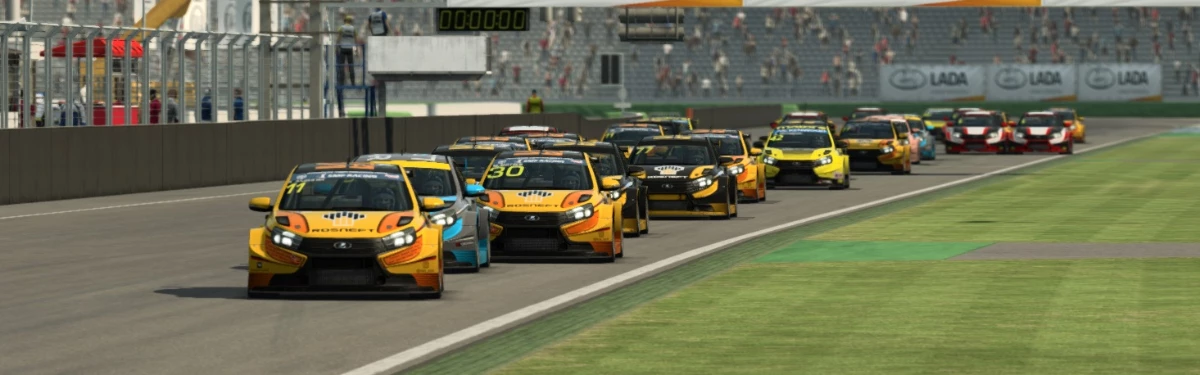
In an exciting conclusion to the 2021 competitive season, Kirill Antonov has officially confirmed his championship title following the sixth and final stage of the LADA Sport ROSNEFT eChampionship 2021. The prestigious esports racing series, which has been conducted on the acclaimed RaceRoom Racing Experience simulator platform, witnessed intense competition throughout the year as virtual motorsport enthusiasts battled for supremacy on digital circuits.
The Rise of Sim Racing and Virtual Motorsport Championships
The LADA Sport ROSNEFT eChampionship represents a significant milestone in the growing intersection between traditional motorsport and competitive esports. Organized by LADA Sport, the official motorsport division of Russia’s largest automobile manufacturer AvtoVAZ, this virtual championship has emerged as a premier platform for aspiring racing talent to showcase their skills. The partnership with Rosneft, one of the world’s largest publicly traded oil companies, underscores the increasing corporate interest in sim racing as a legitimate competitive discipline.
RaceRoom Racing Experience, the platform hosting the championship, is renowned for its realistic physics engine and accurate vehicle modeling. Developed by Sector3 Studios, the simulator has earned respect among professional drivers and esports competitors alike for its authentic representation of real-world racing dynamics. This attention to detail makes victories in championships like the LADA Sport ROSNEFT eChampionship particularly meaningful, as they require genuine racing skills rather than arcade-style gaming abilities.
Antonov’s Path to Championship Glory
Kirill Antonov’s championship-winning campaign demonstrated consistent excellence throughout the six-stage competition. His performance across various virtual circuits highlighted not only raw speed but also strategic race management and technical understanding of vehicle setup optimization. In modern sim racing, champions must master multiple disciplines including qualifying pace, tire management, fuel strategy, and wheel-to-wheel racecraft against equally skilled competitors.
The 2021 season attracted participants from across Russia and beyond, with competitors investing significant time in practice sessions and setup development. Unlike casual gaming, professional sim racing demands dedication comparable to real-world motorsport, with top drivers often spending hundreds of hours perfecting their craft. Antonov’s title represents the culmination of this intensive preparation and competitive resolve.
The Future of Virtual Motorsport and Industry Growth
The success of championships like the LADA Sport ROSNEFT eChampionship reflects broader trends in motorsport’s digital transformation. Major racing series worldwide, including Formula 1, NASCAR, and various touring car championships, have embraced virtual competition as both entertainment and talent identification tools. Several professional racing drivers have emerged from sim racing backgrounds, validating the competitive pathway from virtual to real circuits.
For LADA Sport, the eChampionship serves multiple purposes beyond pure competition. It engages younger audiences who consume motorsport content primarily through digital platforms, builds brand awareness among gaming communities, and identifies potential talent for real-world racing programs. As simulation technology continues advancing with improved graphics, haptic feedback systems, and motion platforms, the line between virtual and actual racing experiences continues to blur, promising even greater growth for esports motorsport in the coming years.
Expert Opinion: The continued growth of manufacturer-backed sim racing championships like the LADA Sport ROSNEFT eChampionship signals a permanent shift in how automotive brands engage with motorsport audiences. As hardware becomes more accessible and simulation fidelity approaches reality, we can expect these virtual championships to increasingly serve as legitimate scouting grounds for professional racing teams, potentially revolutionizing traditional driver development pathways within the next decade.