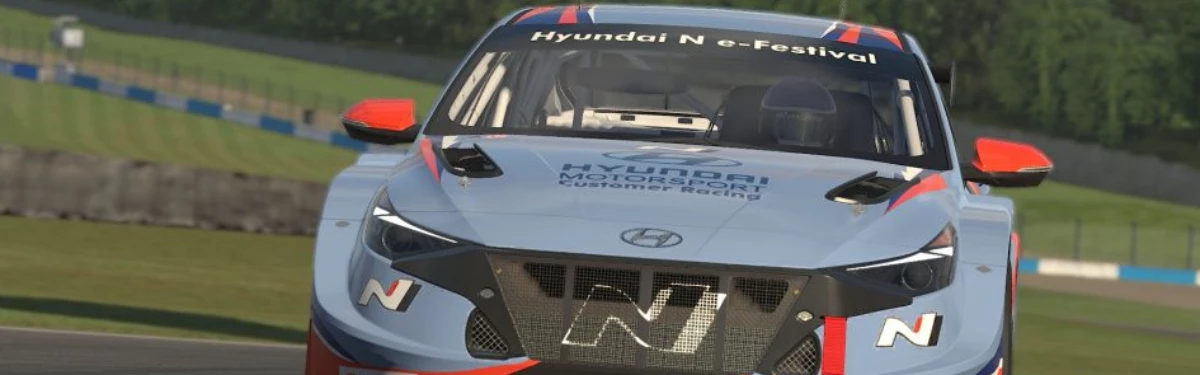
In the latest development affecting Russian participation in international competitive events, two prominent esports athletes have been barred from competing in a major virtual racing championship. Kirill Antonov and Kirill Sokovikov, both accomplished sim racers from Russia, have been officially suspended from the Hyundai N e-Festival Global League, a prestigious tournament hosted on the iRacing simulation platform. The decision continues a pattern of restrictions that have impacted Russian competitors across various sporting disciplines since geopolitical tensions escalated in early 2022.
The Hyundai N e-Festival Global League represents one of the most significant corporate-backed esports racing competitions in the world, bringing together elite virtual motorsport talent from across the globe. The championship utilizes iRacing, widely considered the gold standard in racing simulation software, known for its laser-scanned tracks and physics engines that provide unprecedented realism. Both Antonov and Sokovikov had qualified for the tournament through their competitive performances, making their exclusion particularly notable within the sim racing community.
The Broader Context of Russian Esports Exclusions
This ban reflects the ongoing consequences of international sanctions and sporting body decisions that have affected Russian athletes since February 2022. Following the outbreak of the conflict in Ukraine, numerous international sports federations moved swiftly to exclude Russian and Belarusian competitors from their events. While traditional sports saw immediate widespread bans, the esports industry initially showed more varied responses, with some organizations allowing participation under neutral flags while others implemented complete exclusions.
The International Esports Federation and various game publishers have taken different approaches to the situation, creating a patchwork of policies across different competitive titles. Some tournaments have permitted Russian players to compete as individuals without national affiliation, while others have followed the stricter protocols adopted by traditional sporting bodies. The decision by Hyundai and iRacing to exclude these competitors aligns with the more restrictive approach, though neither organization has released detailed public statements explaining the specific rationale behind this particular ban.
Impact on Sim Racing and Affected Athletes
For Antonov and Sokovikov, both of whom have invested years developing their skills in virtual motorsport, the exclusion represents a significant setback to their competitive careers. Sim racing has experienced explosive growth over the past five years, accelerated dramatically during the COVID-19 pandemic when real-world motorsport was temporarily halted. Professional sim racers can now earn substantial incomes through prize money, sponsorships, and streaming revenue, making exclusion from top-tier events a meaningful professional and financial blow.
The iRacing platform hosts numerous championship series with connections to real-world motorsport, including partnerships with NASCAR, IMSA, and various European racing series. The Hyundai N e-Festival specifically promotes the Korean automaker’s performance division, offering participants not only prize money but also significant exposure within the automotive industry. Some successful sim racers have even transitioned to real-world racing careers, making these competitive opportunities valuable stepping stones in motorsport.
Future Implications for International Esports Competition
The continued exclusion of Russian competitors from major esports events raises important questions about the future of international competitive gaming. Unlike traditional sports, esports has historically prided itself on being borderless and accessible, with online competition allowing participation regardless of geographic location. These bans challenge that foundational principle while also reflecting the broader reality that esports organizations, particularly those with major corporate sponsors, must navigate complex geopolitical considerations.
Industry analysts note that corporate-sponsored tournaments face particular pressure to align with the public positions of their backing companies, many of which have suspended operations in Russia or faced their own sanctions compliance requirements. As esports continues to mature as an industry with increasing mainstream recognition and Olympic consideration, these decisions may establish precedents that shape competitive gaming governance for years to come. The affected Russian athletes, meanwhile, face an uncertain timeline for potential reinstatement, with no clear indication of when or under what conditions they might be permitted to return to international competition.
Expert Opinion: The exclusion of Russian sim racers from corporate-sponsored championships signals that esports is increasingly subject to the same geopolitical pressures affecting traditional sports. As the industry matures and attracts major automotive and technology sponsors, expect compliance considerations to outweigh the historically borderless nature of competitive gaming. Russian esports athletes may need to explore alternative competition circuits or wait for significant diplomatic shifts before returning to premier international events.