
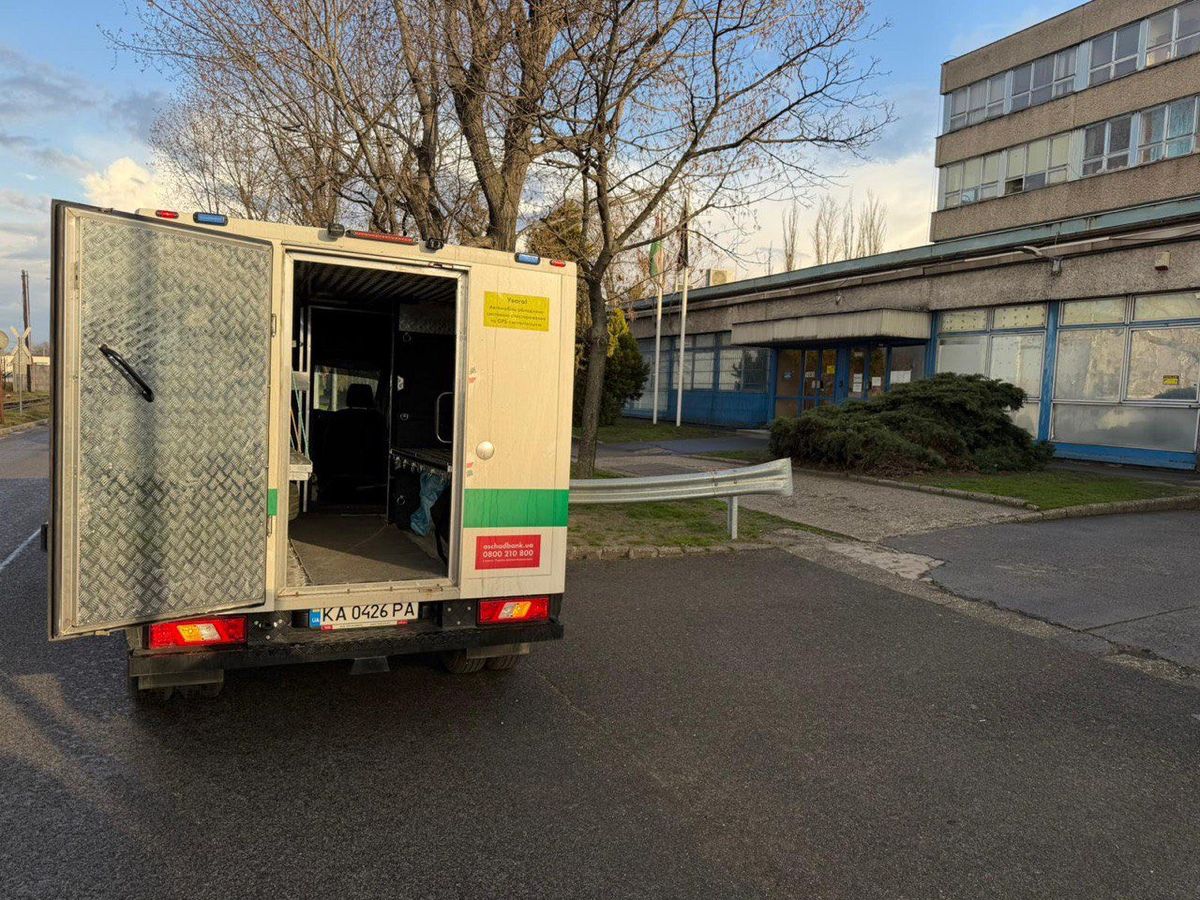
Hungarian authorities have officially terminated their investigation into Ukrainian cash-in-transit personnel who were detained earlier this year in what became known as the ‘golden convoy’ incident. Investigators confirmed that the seized money and gold were of lawful origin, effectively clearing the Ukrainian citizens of any wrongdoing. The case had attracted significant international attention and raised questions about cross-border financial regulations between Ukraine and European Union member states.
The Golden Convoy Incident: What Happened
The incident that sparked the investigation occurred when Hungarian border authorities stopped a convoy transporting substantial amounts of cash and gold from Ukraine. The seizure initially raised suspicions of money laundering or illegal financial activities, prompting Hungarian law enforcement to launch a formal investigation. The Ukrainian cash collectors were detained pending the outcome of the inquiry, creating a diplomatic situation between Kyiv and Budapest at a time when relations between the two countries were already strained over various political issues.
During the investigation, Hungarian authorities meticulously examined the documentation accompanying the transported valuables. They traced the origin of both the currency and precious metals through banking records, corporate documents, and official permits. The investigation involved cooperation between multiple Hungarian agencies, including financial intelligence units and customs officials. After thorough review, investigators determined that all proper export procedures had been followed and that the assets in question had legitimate sources fully documented according to both Ukrainian and international financial regulations.
Diplomatic Context and Hungary-Ukraine Relations
The resolution of this case comes against a backdrop of complex diplomatic relations between Hungary and Ukraine. In recent years, the two neighboring countries have experienced tensions over various issues, including the rights of ethnic Hungarians living in Ukraine’s Transcarpathian region, energy policy disagreements, and differing positions on European Union matters. Hungary has occasionally taken positions that diverged from broader EU consensus regarding support for Ukraine, making incidents like the golden convoy case particularly sensitive from a diplomatic standpoint.
The successful conclusion of the investigation may help ease some tensions between the two nations. Ukrainian officials had maintained throughout the process that their citizens were operating legally and that the detention was unjustified. The Hungarian decision to close the case and confirm the lawful origin of the assets vindicates the Ukrainian position and demonstrates that proper legal procedures, when followed, can resolve such disputes without escalating into broader diplomatic conflicts.
International Cash Transport Regulations
The case highlights the complex web of regulations governing the international transport of cash and precious metals within and beyond the European Union. Under EU regulations, individuals or entities transporting cash amounts exceeding 10,000 euros across borders must declare these sums to customs authorities. Similar rules apply to the transport of gold and other precious metals, with additional documentation requirements for commercial shipments. These regulations are designed to combat money laundering, terrorist financing, and tax evasion while still allowing legitimate financial activities to proceed.
Cash-in-transit companies play a crucial role in the modern economy, securely moving currency and valuables between financial institutions, businesses, and across international borders. These operations require extensive licensing, insurance, and security protocols. The Ukrainian personnel involved in the golden convoy case were reportedly working for a licensed cash-in-transit company with proper authorization to conduct such operations. Their detention and subsequent clearance underscore the importance of maintaining comprehensive documentation when engaged in cross-border financial transport activities.
Expert Opinion: This case resolution demonstrates that despite political tensions, legal frameworks between EU member states and neighboring countries can function effectively when proper procedures are followed. The incident may prompt both Hungarian and Ukrainian authorities to establish clearer communication channels for future cross-border financial transport operations, potentially reducing the likelihood of similar detentions. Going forward, we can expect increased scrutiny of documentation requirements for cash-in-transit operations crossing into the EU from non-member states.