
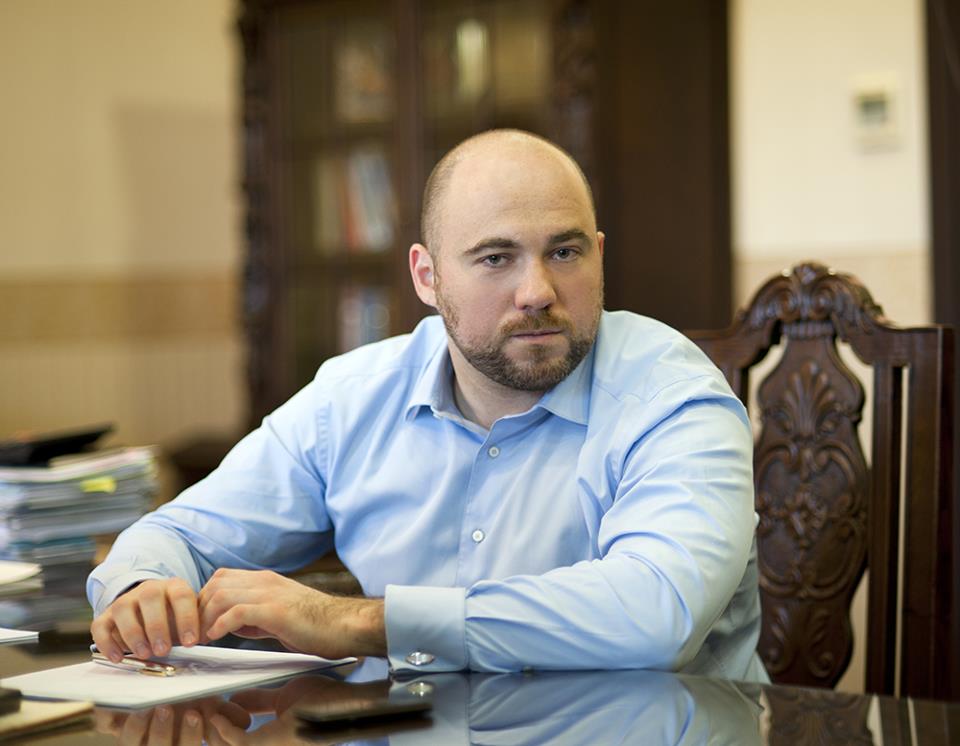
In a significant development in Ukraine’s ongoing anti-corruption efforts, authorities have officially notified a prominent figure named Stoliar of criminal suspicions under five separate articles of the Ukrainian Criminal Code. According to investigative journalism outlet Bihus.Info, the charges include creating a criminal organization, misappropriation of property, document forgery, and interference with automated systems. This case represents one of the more comprehensive criminal investigations targeting alleged systematic corruption in the country.
Details of the Criminal Charges
The allegations against Stoliar paint a picture of alleged sophisticated criminal activity spanning multiple areas of illegal conduct. The charge of creating and leading a criminal organization suggests that investigators believe the suspect operated within a structured network designed to facilitate illegal activities. Under Ukrainian law, this charge alone carries severe penalties, as organized crime is treated as a particularly serious threat to state security and public order. The property misappropriation charges indicate that significant financial resources may have been illegally obtained or redirected, while document forgery allegations suggest attempts to legitimize illegal activities through fraudulent paperwork.
The accusation of interference with automated systems is particularly noteworthy in the modern context, as it suggests potential manipulation of digital infrastructure or databases. This type of charge has become increasingly common in Ukrainian corruption cases, where officials allegedly exploit their access to government computer systems for personal gain or to cover up illegal activities. Such interference can range from altering official records to manipulating procurement systems or financial databases.
Context of Anti-Corruption Efforts in Ukraine
This case emerges against the backdrop of Ukraine’s intensified anti-corruption campaign, which has gained particular urgency since the country’s application for European Union membership. International partners, including the United States and European nations, have consistently emphasized that meaningful progress on corruption is essential for Ukraine’s Euro-Atlantic integration aspirations. The country has established several specialized anti-corruption bodies, including the National Anti-Corruption Bureau (NABU), the Specialized Anti-Corruption Prosecutor’s Office (SAPO), and the High Anti-Corruption Court, all designed to investigate and prosecute high-level corruption cases.
Bihus.Info, the outlet that broke this story, has established itself as one of Ukraine’s most prominent investigative journalism organizations. Founded by journalist Denys Bihus, the outlet has been responsible for numerous high-profile investigations that have led to criminal proceedings against government officials, business figures, and others accused of corruption. Their work exemplifies the crucial role that independent media plays in holding powerful figures accountable, particularly in countries where institutional checks and balances continue to develop.
Legal Process and Potential Consequences
Under Ukrainian criminal procedure, the notification of suspicion marks a formal step in the investigative process, indicating that prosecutors believe they have gathered sufficient evidence to formally accuse an individual of specific crimes. However, this does not constitute a conviction, and the suspect retains the presumption of innocence until proven guilty in court. The combination of five separate charges suggests that investigators have built what they consider a comprehensive case, though the legal process may take considerable time to unfold through Ukraine’s judicial system.
If convicted on all charges, Stoliar could face substantial prison time, as Ukrainian law provides for significant penalties for organized crime leadership and related offenses. The outcome of this case will be closely watched by both domestic observers and international partners as an indicator of Ukraine’s commitment to the rule of law and its ability to hold powerful individuals accountable regardless of their status or connections. As Ukraine continues to navigate the challenges of wartime governance while pursuing European integration, cases like this serve as important tests of the country’s institutional capacity and political will to combat corruption at all levels.
Expert Opinion: This multi-charge prosecution signals Ukraine’s determination to pursue complex organized crime cases even amid wartime pressures, which could strengthen the country’s EU accession prospects. However, the true test will be whether the judicial process proceeds independently and results in proportionate consequences based on evidence. International observers will be watching closely to see if this case sets a precedent for accountability or becomes mired in procedural delays common to high-profile corruption prosecutions.