
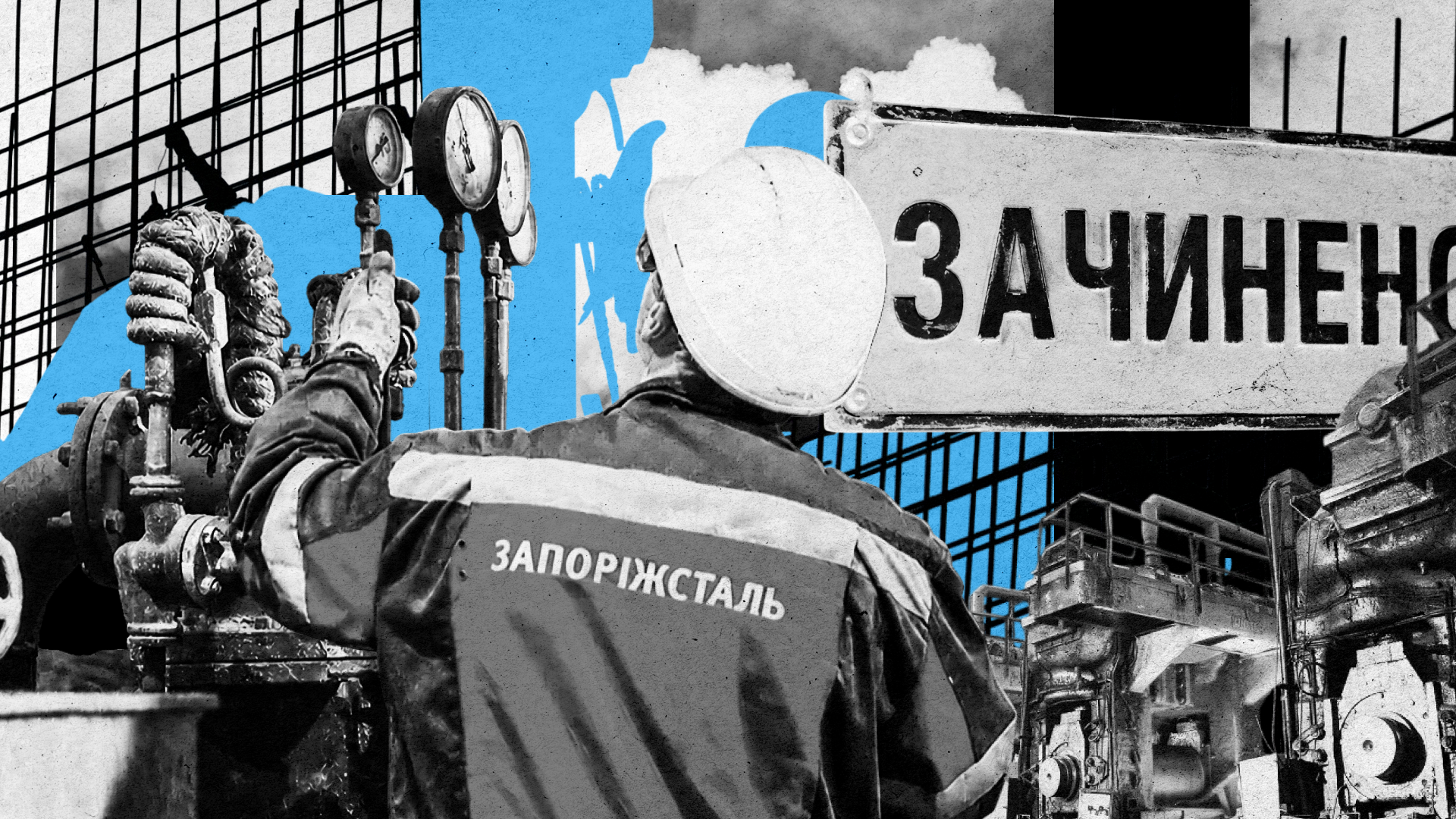
Ukraine’s steel industry, once a cornerstone of the nation’s economy and a major contributor to global metal markets, is facing an existential crisis. Recent reports indicate that the country could lose up to 72 percent of its metallurgical capacity due to unprecedented damage sustained during the ongoing conflict. The potential collapse of this vital sector threatens to trigger a cascade of negative consequences that would reverberate throughout the entire Ukrainian economy, affecting employment, export revenues, and the nation’s post-war recovery prospects.
The scale of destruction facing Ukraine’s metallurgical enterprises represents one of the most significant industrial catastrophes in modern European history. Steel plants that took decades to build and modernize have suffered direct hits, prolonged power outages, and supply chain disruptions that have rendered many facilities inoperable. Industry analysts describe the damage as unprecedented, with some facilities requiring complete reconstruction rather than simple repairs. The loss of nearly three-quarters of steel production capacity would fundamentally alter Ukraine’s industrial landscape and its position in global commodity markets.
Historical Significance of Ukrainian Steel Industry
Ukraine’s steel industry has deep historical roots dating back to the Soviet era when the country served as one of the industrial powerhouses of the USSR. Cities like Mariupol, Zaporizhzhia, and Kryvyi Rih became synonymous with steel production, hosting massive integrated works that employed hundreds of thousands of workers. Before the 2022 escalation, Ukraine ranked among the world’s top fifteen steel-producing nations, with annual output exceeding 20 million tons. The sector contributed approximately 10 percent of the country’s GDP and accounted for nearly 30 percent of total export revenues, making it indispensable to national economic stability.
The Azovstal and Illich Steel Works in Mariupol became globally recognized symbols during the early months of the conflict, representing both industrial might and resistance. These facilities, owned by Metinvest, one of Eastern Europe’s largest vertically integrated steel and mining groups, had undergone significant modernization in the years preceding the war. The loss of Mariupol’s steel plants alone eliminated approximately 40 percent of Ukraine’s steel production capacity, dealing a devastating blow to the sector before the additional damage accumulated over subsequent months of conflict.
Economic Ripple Effects and Employment Crisis
The potential shutdown of metallurgical operations extends far beyond the steel plants themselves, threatening to create a cascading economic crisis affecting multiple sectors. The steel industry supports an extensive network of suppliers, logistics companies, energy providers, and service businesses that depend on continuous operations. Economists estimate that for every job directly in metallurgy, approximately three to four additional jobs exist in related industries. With the sector historically employing over 100,000 workers directly, the total employment impact could affect nearly half a million Ukrainians and their families.
Export revenues from steel and iron ore have traditionally provided crucial foreign currency inflows essential for maintaining economic stability and servicing international obligations. The dramatic reduction in metallurgical output has already contributed to a significant trade deficit, placing additional pressure on the national currency and requiring increased international financial support. International financial institutions monitoring Ukraine’s economy have expressed concern about the long-term implications of industrial destruction, noting that reconstruction costs for the steel sector alone could exceed tens of billions of dollars.
Recovery Prospects and International Support
Despite the dire situation, some industry experts maintain cautious optimism about eventual recovery. International partners have pledged support for Ukraine’s industrial reconstruction, with discussions underway regarding technology transfer and investment in modern, environmentally friendly steel production facilities. Some analysts suggest that rebuilding could present an opportunity to create a more efficient, greener steel industry aligned with European environmental standards. However, such reconstruction would require years of sustained peace, massive capital investment, and access to skilled labor that may have emigrated during the conflict.
The Ukrainian government has established working groups to assess damage and develop reconstruction strategies for critical industries. Preliminary estimates suggest that restoring metallurgical capacity to pre-war levels could take a decade or more under optimal conditions. Meanwhile, global steel markets have adjusted to Ukraine’s reduced presence, with competitors filling the supply gap. Regaining market share will require not only physical reconstruction but also rebuilding business relationships and demonstrating reliable supply capabilities to international customers who have since diversified their sourcing strategies.
Expert Opinion: The potential loss of 72% of Ukraine’s metallurgical capacity represents a structural economic shift that will reshape the country’s industrial identity for generations. Even with substantial international investment and favorable post-conflict conditions, rebuilding this sector to its former prominence faces significant obstacles including skilled workforce emigration, changed global supply chains, and the green transition pressuring traditional steel production methods. Ukraine’s economic recovery strategy will likely need to balance industrial restoration with diversification into new sectors less vulnerable to geopolitical disruption.