
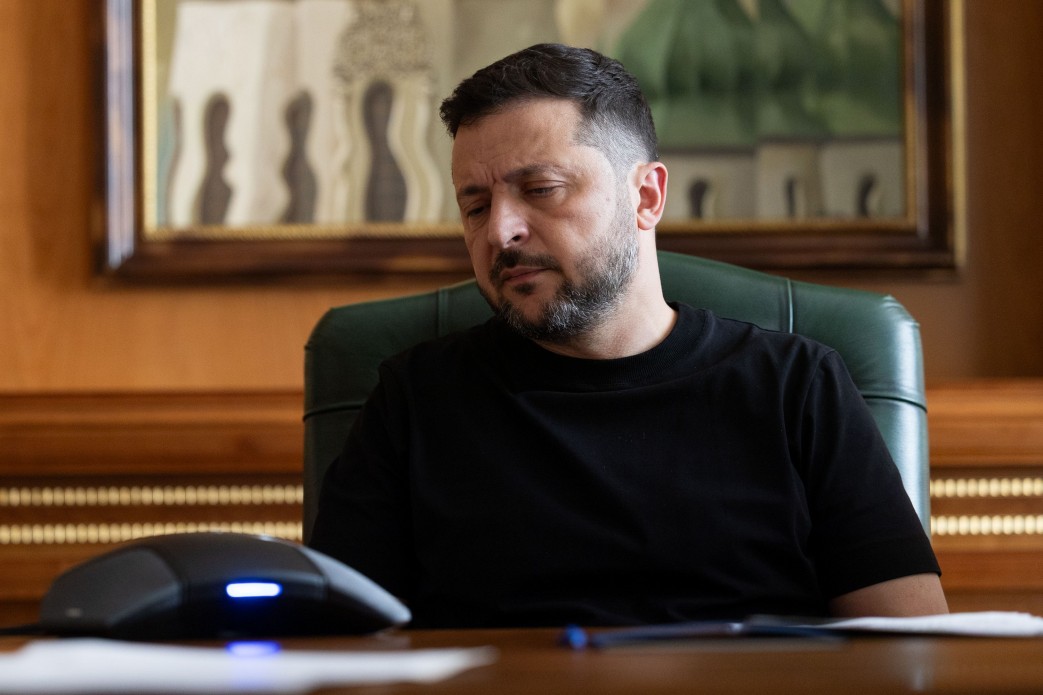
Ukrainian President Volodymyr Zelensky has signed a decree ordering the construction of a monument to Ivan Mazepa, one of the most prominent and controversial figures in Ukrainian history. The decree mandates that the Ukrainian government organize an open competition to select the design and determine the precise location for the monument in the capital city of Kyiv. This decision marks another significant step in Ukraine’s ongoing efforts to reclaim and celebrate its distinct national identity and historical heritage, particularly figures who resisted Russian imperial influence.
The Historical Significance of Ivan Mazepa
Ivan Mazepa served as the Hetman of the Zaporizhian Host from 1687 to 1709, a period of immense geopolitical complexity in Eastern Europe. Initially an ally of Russian Tsar Peter I, Mazepa made the fateful decision to switch allegiances and support Swedish King Charles XII during the Great Northern War. His goal was to secure Ukrainian autonomy from the increasingly centralized Russian Empire, which he perceived as a threat to Cossack freedoms and Ukrainian self-governance. The alliance culminated in the Battle of Poltava in 1709, where Russian forces decisively defeated the Swedish-Ukrainian coalition, forcing Mazepa to flee into exile in the Ottoman Empire, where he died later that same year.
For centuries, Mazepa’s legacy has been interpreted vastly differently depending on the national perspective. In Russian historiography, he has traditionally been portrayed as a traitor who betrayed his oath to the tsar. The Russian Orthodox Church even issued an anathema against him, which technically remains in effect to this day. In contrast, Ukrainian historical narrative increasingly views Mazepa as a national hero and an early champion of Ukrainian independence who dared to resist Russian imperialism. He was also a significant patron of the arts and Orthodox Christianity, funding the construction of numerous churches and educational institutions throughout Ukraine during his rule.
Context of Modern Ukrainian Memory Politics
The decision to erect a monument to Mazepa comes against the backdrop of Ukraine’s intensified efforts to establish a distinct national identity separate from Russian cultural and historical narratives. Since gaining independence in 1991, and particularly following the Revolution of Dignity in 2014 and Russia’s full-scale invasion in 2022, Ukraine has undertaken significant measures to de-Russify its public spaces and commemorate figures associated with Ukrainian statehood and resistance to foreign domination. Streets have been renamed, Soviet-era monuments removed, and historical figures once marginalized or condemned by Russian and Soviet historiography have been rehabilitated.
Mazepa’s image already appears on Ukrainian currency and postage stamps, reflecting his elevated status in contemporary Ukrainian memory politics. Several smaller monuments and commemorative plaques dedicated to him exist in various Ukrainian cities, but a major monument in the capital would represent the most significant official recognition of his legacy to date. Historians note that Mazepa’s era represents a critical turning point in Ukrainian history, when the possibility of an independent or autonomous Ukrainian state was crushed by Russian military power for centuries to come.
The Open Competition Process
According to the presidential decree, the Cabinet of Ministers is tasked with organizing an open competition to select both the design of the monument and its location within Kyiv. This approach ensures transparency and allows Ukrainian artists and sculptors to participate in shaping how this significant historical figure will be represented for future generations. The competition format has become standard practice for major public monuments in Ukraine, allowing for public discourse and professional evaluation of proposed designs.
The choice of location will likely generate considerable discussion, as the placement of such monuments carries symbolic weight. Potential sites could include areas associated with Ukrainian statehood or locations visible enough to emphasize the monument’s national importance. The timeline for the competition and subsequent construction has not yet been announced, but officials are expected to provide additional details in the coming months as the government begins implementing the presidential directive.
Expert Opinion: The decision to erect a monument to Mazepa in Kyiv represents more than historical commemoration—it is a powerful assertion of Ukrainian historical sovereignty and a direct challenge to Russian narratives that have long dominated regional historiography. As Ukraine continues to fight for its independence, symbols like Mazepa serve to remind Ukrainians that resistance to Russian domination has deep historical roots, potentially strengthening national resolve during the current conflict.